


At Tanglewood Family Dentistry, we combine contemporary materials and proven techniques to restore damaged teeth with results that look and feel natural. Ceramic crowns have become a cornerstone of modern restorative dentistry because they balance strength, biocompatibility, and aesthetics in a way older materials cannot.
Teeth endure a lot of wear over a lifetime. Cavities, fractures, large fillings, root canal therapy, and chronic grinding can all compromise the structure of a tooth. When a simple filling won't reliably protect or rebuild a tooth, a full-coverage crown is often the more predictable way to restore function and prevent future problems.
This page explains why ceramic crowns are such a popular choice, how they differ from other restorations, the materials available today, and what to expect when you choose a crown. Our goal is to give you clear, practical information so you can make an informed decision about your care.
A crown is a full-coverage restoration that replaces the tooth’s outer shell to restore shape, strength, and bite function. Clinically, crowns are recommended when the remaining tooth structure is too weak to support a standard filling or when a tooth must be protected from further fracture. They also provide a reliable way to restore a tooth after root canal therapy, when much of the internal tooth structure has been compromised.
There are several common situations where a crown becomes the preferred solution. Large or fractured fillings that leave little natural enamel, a cracked tooth that jeopardizes the root, and teeth that serve as anchors for bridges or implant restorations typically benefit from full coverage. Crowns also address cosmetic concerns when a tooth is discolored, misshapen, or poorly proportioned relative to its neighbors.
Deciding whether a crown is necessary starts with a careful evaluation of chewing forces, remaining tooth structure, and the tooth’s role in your bite. A well-planned crown restores reliable function while preserving as much healthy tooth material as possible.
Successful crown treatment begins with precise planning and attention to detail. We assess each case with the tooth’s long-term health and your cosmetic expectations in mind, ensuring that the selected restoration supports both form and function.
Repairing teeth with extensive decay or structural damage
Replacing large or broken fillings
Restoring dental implants
Providing support for abutment teeth on a dental bridge
Protecting teeth after root canal therapy
Improving the appearance of undersized, stained, or misshapen teeth
Addressing bite problems that put a tooth at risk

All-ceramic crowns are manufactured from modern dental ceramics rather than relying on a metal substructure. That difference matters: ceramics can mimic the way natural enamel reflects and transmits light, producing a lifelike translucency and surface character that metal-based restorations struggle to match.
Beyond appearance, contemporary ceramics offer excellent strength and wear resistance. Advances in material science—particularly with lithium disilicate and zirconia—have closed the gap between aesthetics and durability, making metal-free crowns suitable for many situations, including posterior teeth that receive higher biting forces.
Additional benefits include improved gum compatibility and the absence of metal margins that can create a dark line at the gumline over time. For patients with metal sensitivities or anyone seeking a fully biocompatible option, ceramic crowns provide a reliable alternative.
Because every patient’s needs are different, we evaluate factors such as bite dynamics, neighboring teeth, and cosmetic goals before selecting the most appropriate ceramic material for a given restoration.
Not all ceramic crowns are identical. Modern dentistry offers a range of ceramic types, each with attributes that make it better suited to certain teeth or aesthetic demands. For example, highly translucent ceramics are ideal for front teeth where appearance is paramount, while denser, high-strength ceramics are often chosen for molars.
The choice of material considers where the tooth sits in the mouth, the forces it will sustain, and how the crown will harmonize with the surrounding teeth. Our clinicians will explain the trade-offs—such as maximum translucency versus ultimate strength—and recommend the material that best meets your long-term needs.
Common ceramic options we use include the following:
Lithium Disilicate Porcelain Crowns
Leucite Reinforced Pressable Porcelain Crowns
Solid or Monolithic Zirconia
High Translucent Zirconia
Choosing among these options allows us to tailor each crown to your functional needs and aesthetic expectations, so the final restoration looks like it grew there naturally rather than appearing as an obvious repair.
When the appropriate ceramic is selected and the crown is precisely fabricated, the result is a restoration that resists staining, integrates with gum tissue, and maintains a pleasing appearance over time.
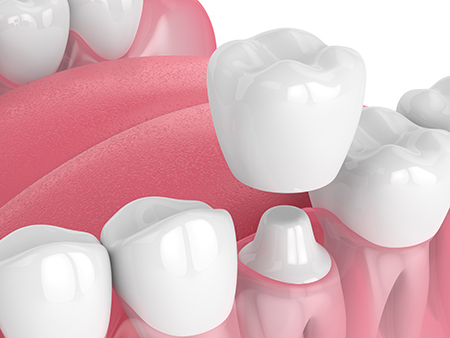
The crown process typically begins with a comprehensive exam and diagnosis, including digital imaging as needed to assess the tooth’s structure and surrounding tissues. Preparation involves gently shaping the tooth so the new crown will seat properly—enough to make room for the restoration while preserving healthy enamel whenever possible.
After tooth preparation, we capture precise impressions using digital scanners or traditional materials. These records guide the lab or our in-house milling system to fabricate a crown that matches your bite and color. Patients receive a temporary crown while the final restoration is made, protecting the tooth and maintaining function in the interim.
On the final visit, the temporary is removed, the fit and color of the definitive crown are confirmed, and the restoration is bonded into place with reliable adhesive techniques. We check the bite and make minor adjustments so chewing feels natural and comfortable from day one.
Following placement, good oral hygiene and routine dental visits help preserve the life of the crown. With proper care, ceramic crowns can provide many years of dependable service as part of a healthy smile.

At our practice, clinical judgment and attention to detail guide every crown we place. We combine diagnostic tools, materials expertise, and laboratory collaboration to produce crowns that restore function and blend seamlessly with your smile. That means we consider shade nuances, surface texture, and how light interacts with adjacent teeth when planning a restoration.
We also emphasize conservation: whenever possible, preparations are kept conservative to retain healthy tooth structure. When stabilization is required—such as after a root canal or in the presence of significant tooth loss—we design the restoration to protect the tooth while supporting long-term oral health.
From the first consultation through final placement and routine follow-up, our team focuses on clear communication so you understand the steps involved and the rationale for our recommendations. That collaborative approach helps ensure results that meet both functional needs and aesthetic goals.
If you’d like to learn more about ceramic crowns or discuss whether they’re the right option for your smile, please contact us for more information.
While a dental filling is designed to replace a portion of a decayed or damaged tooth, a dental crown offers full coverage to restore the tooth’s entire outer surface. A well-fitting dental crown not only protects and strengthens the underlying tooth structure, but it also restores the tooth’s appearance and function.
The procedure for getting an all-ceramic crown is much like the procedure for getting any other type of crown. In all cases, the tooth needs to be prepared, an impression taken, and a permanent crown cemented into place. A single all-ceramic crown can typically be fabricated over the course of two visits. However, with CAD/CAM technology, a same-day crown can be fabricated from start to finish in a single visit. With the first approach, a temporary crown is typically worn until the second visit, when the permanent restoration is placed. As with every treatment plan, our office will explain your best options in care.
As the name implies, a temporary crown is only worn for a short time until the permanent crown is placed. A temporary crown is typically fabricated from durable tooth-colored dental acrylics. While designed to protect the underlying tooth between appointments, and until your new permanent crown gets placed, a temporary crown is also fabricated to look like a natural tooth and maintain the look of your smile.
While you should feel better having an attractive and functional tooth to restore your smile, your tooth may feel a little sensitive following treatment. This initial sensitivity will subside. We take great care to make sure your new restoration looks great, fits well, and your bite is perfect. However, we’re always happy to make any minor adjustments to ensure your comfort.
With some exceptions, teeth with root canal procedures are typically restored and protected from further damage with a full-coverage crown. Based on what’s best for your smile, our office will recommend the most appropriate restoration to maintain the health and longevity of your tooth following a root canal procedure.
A dental crown is a long-term restoration that, if properly cared for, can serve you well for many years to come. Once your new crown is placed, it requires the same brushing, flossing, and periodic checkups as your natural teeth. Avoid biting your fingernails and chewing on hard or sticky objects such as ice, pencils, or taffy, which can damage or loosen your crown. Remember, clenching and grinding your teeth puts excessive pressure on both natural teeth and dental restorations. Unless treated, this habit can compromise the longevity and integrity of your dental work, including crowns.
Although your new all-ceramic crown restores the tooth's strength, form, and function, you can still develop dental disease in the absence of proper care. To prevent gum disease and tooth decay, it’s essential to brush and floss as instructed and see our office for routine checkups, cleanings, and care.
How long a dental crown lasts depends on various factors, including your level of oral care, diet, and oral habits. While the standard answer is that dental crowns can last anywhere from 5 to 15 years, existing literature confirms that most dental crowns remain in place at 15 to 20 years.
At the office of Tanglewood Family Dentistry, we strive to provide the highest quality of care to address all your dental needs. Once we’ve had the opportunity to examine your smile, we can give you a clear picture of any dental issues that are present, along with a quote for how much treatment will be. The cost of dental crowns can vary a little, depending on the type of crown and its location. Our goals are to provide the highest quality of care and help patients begin treatment without additional financial stress or delay. We’re always happy to answer all your questions on dental insurance coverage, available financing, and payment plans.
Coverage for all-ceramic crowns depends on your dental insurance plan. Today, many dental plans provide some level of coverage for all-ceramic crowns. At the office of Tanglewood Family Dentistry, we work with patients to optimize their dental benefits and get the care they need to maintain healthy and beautiful smiles!
At Tanglewood Family Dentistry, we use contemporary dental ceramics and precise laboratory techniques to restore damaged teeth with crowns that mimic natural enamel. Ceramic crowns are full-coverage restorations that replace the tooth’s outer shell to restore shape, strength and bite function. They bond to prepared tooth structure and distribute chewing forces to reduce the risk of fracture.
All-ceramic crowns differ from metal-based options because they do not require a metal substructure, which eliminates dark margins at the gumline and improves gum compatibility. Advances in lithium disilicate and zirconia have increased the strength of ceramic materials, making them suitable for many locations in the mouth. Your clinician will evaluate the tooth’s role in the bite and remaining structure to determine if a ceramic crown is the best choice.
Crowns are recommended when a tooth has lost a significant amount of its natural structure and a filling would not provide a durable repair. Common reasons include large cavities, fractured or cracked teeth, replacement of large restorations and protection of a tooth after root canal therapy. Crowns are also used to restore dental implants and to support abutment teeth in a bridge.
During the evaluation, we consider chewing forces, the tooth’s location, and cosmetic needs to choose a restoration that balances strength and appearance. A well-planned crown can prevent further damage and restore reliable function while preserving as much healthy tooth as possible. In some cases alternative options such as inlays, onlays or veneers may be discussed if sufficient tooth structure remains.
Dental ceramics come in several formulations that differ in translucency, strength and handling properties. Common options include lithium disilicate, known for its excellent esthetics and good strength; leucite-reinforced porcelain, valued for its natural appearance; and various forms of zirconia, which range from solid monolithic zirconia with very high strength to high-translucent zirconia designed for improved esthetics. Each material offers a different balance of beauty and durability.
The choice of material depends on where the tooth sits in the mouth, how much force it will endure and the desired cosmetic result. Our clinicians will explain trade-offs such as maximum translucency versus ultimate strength and recommend the material that best fits your long-term needs. Proper surface finishing and shade characterization help the chosen material integrate seamlessly with adjacent teeth.
Porcelain-fused-to-metal crowns use a metal substructure with porcelain layered over it, while all-ceramic crowns are fabricated entirely from ceramic materials. Metal-based restorations can be very strong but may show a dark margin at the gumline over time and lack the translucency of ceramic options. All-ceramic crowns offer superior esthetics and improved gum compatibility for many patients.
In situations that demand extreme strength, such as certain bruxism cases, metal or metal-containing restorations may still be considered for their durability. Modern high-strength ceramics like zirconia have narrowed the gap, making metal-free crowns viable for many posterior restorations. Your dentist will discuss the clinical considerations and recommend the best option based on long-term function and appearance.
The crown process begins with a comprehensive exam, including digital images or X-rays as needed to assess the tooth and surrounding tissues. The tooth is gently prepared by removing minimal enamel to create space for the crown while preserving healthy structure. Precise impressions are taken with a digital scanner or traditional materials to capture the prepared tooth and bite relationships.
A temporary crown protects the tooth while the definitive restoration is fabricated, either in a dental laboratory or with an in-house milling system. On the final appointment the temporary is removed, fit and color are confirmed, and the crown is bonded using proven adhesive techniques with any minor adjustments to the bite. If you have questions or wish to discuss ceramic crown options further, please contact Tanglewood Family Dentistry to schedule a consultation.
Caring for a ceramic crown is similar to caring for natural teeth: brush twice daily with a fluoride toothpaste, floss daily and maintain regular dental checkups and cleanings. Avoiding hard foods and using a night guard if you grind your teeth can reduce the risk of chipping or premature wear. Good oral hygiene also helps prevent decay at the crown margins and protects the surrounding gum tissue.
With proper care and routine maintenance, ceramic crowns can last many years, though individual longevity depends on factors such as bite forces, oral hygiene and overall dental health. Minor wear or staining is uncommon with ceramic materials, but crowns can chip or loosen and may require repair or replacement in time. Your dentist will monitor the restoration during regular visits and recommend interventions if any concerns arise.
Yes. Teeth that have undergone root canal therapy often become more brittle because a significant portion of the internal tooth structure has been removed, making a crown a reliable way to protect the remaining tooth. A properly designed crown restores shape and distributes biting forces to reduce the risk of fracture. In some cases a post and core may be needed to build up lost structure before placing the crown.
Current ceramic materials provide sufficient strength and esthetics to be used on many teeth after root canal treatment, though the specific situation dictates the best material choice. Your dentist will evaluate the amount of remaining tooth, the condition of the root canal, and the tooth’s role in your bite before recommending a crown design. The goal is to achieve long-term protection and a natural appearance while preserving oral health.
High-strength ceramics such as monolithic zirconia are engineered for posterior use and can withstand significant chewing forces, making them suitable for many molar restorations. Material selection is critical: denser, less translucent ceramics are generally chosen for back teeth to maximize durability. The clinical assessment includes analysis of your bite, grinding habits and opposing dentition to ensure the chosen restoration will perform reliably.
In patients with severe bruxism or parafunctional habits additional protective measures like occlusal guards or alternative restorative designs may be recommended to prolong restoration life. Proper occlusal adjustment at delivery and periodic monitoring help identify and address excessive wear early. Your dentist will balance the need for strength with the desire for a natural appearance when selecting the material for a molar crown.
If a ceramic crown chips or fractures, small defects can sometimes be repaired with composite resin, but larger failures typically require replacement to restore proper form and function. If a crown becomes loose it’s important to see your dentist promptly to determine whether recementation is possible and to check for underlying decay or root issues. Keeping the loose or damaged crown covered and avoiding chewing on that side can help protect the tooth until you are treated.
The treatment approach depends on the extent of damage and the condition of the underlying tooth and bonding surface. Your clinician will inspect margins, check fit and evaluate for decay or structural compromise before deciding on repair or fabrication of a new crown. Prompt attention reduces the risk of further damage and helps preserve the supporting tooth structure.
Shade selection is a collaborative process that considers tooth color, translucency, surface texture, and how light interacts with adjacent teeth to create a lifelike result. Dentists use shade guides, digital shade-matching tools and photographs to communicate specific characteristics to the dental laboratory or to guide in-house milling. For complex cases technicians may layer stains and glazes or perform custom characterization to reproduce subtle variations.
Shape and contours are designed to harmonize with neighboring teeth and support healthy gum tissue, requiring careful planning and often a trial with a temporary crown to fine-tune esthetics and bite. Communication between the clinician, patient and lab technician ensures that the final restoration meets both functional and cosmetic expectations. When indicated, minor adjustments on delivery and follow-up polishing help the crown integrate seamlessly into your smile.
Quick Links
