


Dental pain is often the first sign that something needs immediate attention. A persistent or rapidly worsening toothache, swelling that affects your face or neck, heavy bleeding, or a tooth that has been knocked loose or completely avulsed are all situations that warrant prompt professional evaluation. Even if pain seems intermittent, sudden spikes or pain during chewing can indicate underlying infection or structural damage that will worsen without timely care.
Not every dental problem requires emergency room care, but delays in treatment can turn a manageable issue into a more complex one. Infections that begin in a tooth or surrounding tissues may spread to adjacent structures and, in rare cases, to other parts of the body. Seeking prompt dental attention reduces the chance of complications and increases the likelihood of saving a tooth rather than needing removal.
Other symptoms to watch for include fever accompanying oral pain, trouble breathing or swallowing, and persistent bleeding that does not subside with gentle pressure. These signs may indicate an advancing infection or trauma that affects more than just the tooth itself and should be treated as urgent. Recognizing these warning signs early helps you act quickly and get the right care when you need it most.
When you arrive for emergency treatment, the initial goal is to stabilize your condition and relieve pain. The care team will conduct a focused intake to understand what happened, review relevant medical history, and assess symptoms. A clinical exam, often supported by X-rays or other imaging if needed, helps the dentist determine the source and severity of the problem so treatment can be prioritized correctly.
Immediate measures might include cleaning and irrigating an area of infection, applying local anesthesia for comfort, or placing a temporary restoration to protect exposed tooth structure. If swelling or infection is present, antibiotics or anti-inflammatory medications may be recommended as part of the short-term plan while definitive treatment is arranged. The clinical approach balances rapid relief with safe, evidence-based care.
After initial stabilization, your dentist will explain the recommended next steps and answer questions about options for definitive treatment. In many cases a short-term visit relieves acute pain and creates a safe window to schedule a restorative procedure, root canal therapy, crown placement, or, in rare cases, extraction. Clear communication during the visit helps you understand why certain choices are made and what to expect during recovery.
While waiting for professional care, a few practical first-aid measures can reduce pain, limit further damage, and make your emergency visit more effective. For a tooth that has been knocked out, handle it by the crown (avoid touching the root), rinse it gently with water if it’s dirty, and try to reposition it in the socket if possible. If you cannot reinsert the tooth, keep it moist in milk or saline and bring it to the dentist quickly; timely re-implantation improves the chance of saving the tooth.
For severe tooth pain or swelling, gently rinsing with warm saltwater can help reduce debris and soothe tissues. Applying a cold compress to the outside of the cheek for 10–15 minutes at a time can limit swelling and provide temporary pain relief. If a filling or crown has come off, avoid chewing on that side and keep the area clean; save the restoration and bring it with you to the appointment if you can.
In the case of bleeding after an injury, apply steady, gentle pressure with sterile gauze or a clean cloth until bleeding slows. Over-the-counter pain relievers may be used according to package directions unless you have medical reasons to avoid them; never place aspirin directly against the gums. These actions are intended to stabilize the situation until professional care is available and are not substitutes for definitive dental treatment.
Emergency dental care covers a range of procedures tailored to the specific problem. For localized decay or a fractured tooth that hasn’t reached the nerve, the dentist may place a new filling or perform bonding to restore form and function quickly. For more extensive structural damage, a temporary or permanent crown may be placed to encase and protect the weakened tooth.
If infection has reached the pulp—the nerve and inner tissues—root canal therapy is a common and predictable way to save the natural tooth. This procedure removes infected tissue, cleans and seals the root canals, and is often followed by a crown to restore long-term strength. Root canal treatment is routinely performed in emergency settings when necessary to relieve pain and prevent the spread of infection.
When a tooth cannot be saved due to severe damage or infection, extraction may be the safest option. Losing a tooth can be managed in a way that preserves oral health and appearance: modern restorative options include dental implants, fixed bridges, and partial dentures. Your dentist will discuss appropriate replacement choices and timing, with the goal of restoring function and aesthetics while protecting neighboring teeth and bone.
Successful emergency treatment often requires thoughtful aftercare to ensure a smooth recovery. Your clinician will provide specific instructions on oral hygiene, dietary restrictions, medication use, and signs to watch for that would warrant a return visit. Following these guidelines helps reduce the risk of reinfection and speeds healing, allowing any restorative work to succeed over the long term.
Many urgent dental problems become emergencies because minor issues were left unchecked. Regular dental exams and cleanings allow early detection of decay, cracks, and gum problems before they become acute. Protective measures such as custom night guards for bruxism and fitted mouthguards for sports can significantly lower the chance of sudden damage that leads to emergency care.
Finally, establishing a relationship with a trusted dental practice makes emergency encounters less stressful. When you know where to go and who will be treating you, care is more efficient and outcomes tend to be better. If you are new to the area or seeking a reliable emergency dental resource, the office of Tanglewood Family Dentistry is available to provide timely, professional care when urgent needs arise.
In summary, dental emergencies range from painful toothaches to traumatic injuries, and timely professional care greatly improves outcomes. Early recognition, sensible first-aid, and prompt treatment can preserve teeth and prevent complications. If you have questions about emergency dental care or need assistance, please contact us to learn more about how we can help restore comfort and protect your smile.

Pain is your body's way of signaling that something is not quite right and though there are many reasons for oral pain, one of the most common complaints and reasons for seeking urgent dental care is a toothache. Whether you simply need a dental filling, a crown, or require a root canal procedure to save your tooth, we'll alleviate your discomfort and restore the look and function of the involved tooth.
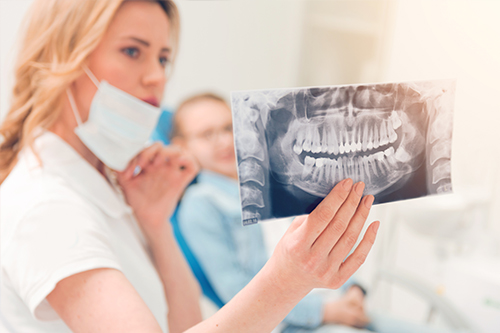
Dental trauma can result in a defect as minor as a small chip in tooth enamel to a more extensive and painful crack or fracture. With sufficient force, a tooth can even be displaced or completely knocked out of its socket. With prompt emergency care, many injured teeth can be restored and saved.
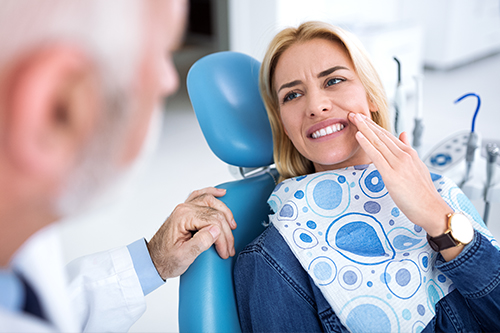
The last teeth in your mouth to develop, wisdom teeth often do not have enough room to fully erupt or may be positioned in the wrong direction. These issues can affect your dental health as well as overall well-being. Our office provides skilled care to address the complications caused by problematic wisdom teeth.
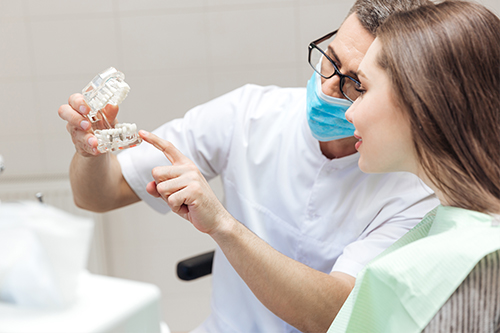
A broken or lost dental prosthesis or restoration can cause embarrassing gaps in your smile as well as compromise your ability to eat and speak with ease. If you've lost or broken a dental filling, denture, crown, or other dental appliance, you can rely on our office to perform a prompt repair or provide a durable and cosmetically pleasing replacement as quickly as possible.
At the office of Tanglewood Family Dentistry, emergency appointments are always available. Of course, in addition to providing top treatment for dental emergencies, we also welcome patients searching for high quality and affordable care. We offer a complete range of the latest and best cosmetic and dental services for every member of your family.
If you are suffering from a toothache or have sustained a dental injury, it is important to visit the dentist as soon as possible before more serious complications arise. Whether your dental emergency is painful, if it affects the appearance of your smile, or if you suspect that an infection is present, our office will make every effort to see you as promptly as possible for care.
At the office of Tanglewood Family Dentistry, we treat your dental emergency as our top priority. Our caring team will respond to your emergency call right away, making sure you get the gentle, state-of-the-art care you need without delay.
As your trusted emergency dentist in Clemmons, we provide the highest quality of care to mitigate the stress, anxiety, and discomfort of dental problems. Our dedicated team will help you start feeling better as soon as we receive your emergency call.
At the office of Tanglewood Family Dentistry, we provide skilled and experienced care to effectively resolve a broad range of dental emergencies, restoring a patient's oral health while protecting their overall wellbeing.
However, even so, specific dental emergencies pose significant threats to one's health. These situations require immediate, emergency room care. Serious and potentially life-threatening dental emergencies include significant oral and facial trauma such as jaw fractures, deep wounds or lacerations to the face and mouth, an abscess or infection that causes widespread facial or submandibular swelling, or affects breathing and swallowing.
At the office of Tanglewood Family Dentistry, we provide prompt, skilled, and experienced care to address dental emergencies. We understand that finances are always a concern and do our best to provide options in care that are both affordable and respect your budget.
Once we've had the opportunity to examine your smile, we can give you a clear picture of any existing dental issues, along with a quote for what the cost of treatment will be. The cost of care all depends upon the extent and complexity of issues affecting the health or appearance of your smile and the types of procedures that are required.
To help alleviate any additional stress or delay, you can count on our staff to work with you to optimize coverage for your dental care and to minimize your out-of-pocket expenses. For patients without insurance, we strive to make things easier as well! We invite you to visit our financial information page or speak to an expert in our business office.
Dental emergencies are often painful and debilitating experiences. For this reason it's important to have an emergency dentist in Clemmons, who welcomes patients with urgent dental needs while providing the prompt care required to restore oral health.
Here are just some of the reasons why so many patients choose our office for emergency dental care and to meet their family's dental needs:
We're dedicated to helping patients enjoy good oral health and beautiful smiles. We look forward to helping you keep your smile in tip-top condition. You can rest assured that our highly skilled office team will provide you the highest quality of state-of-the-art dental care and have you smiling again in no time!
To make an appointment or for more information on our office and the many state-of-the-art services we provide, give us a call today.
Dental emergencies include situations that cause severe pain, uncontrolled bleeding, visible infection with swelling, or trauma that displaces or knocks out a tooth. Persistent or rapidly worsening toothache, swelling that affects the face or neck, and difficulty breathing or swallowing should be treated as urgent. Even intermittent pain that spikes with chewing can indicate a serious problem that will deteriorate without prompt care. Recognizing these signs early helps you get the right treatment before complications develop.
Not all dental problems require a hospital visit, but some infections and injuries can spread to adjacent tissues and, in rare cases, beyond the oral cavity. Delay in care increases the risk of needing more invasive treatment and may reduce the chance of saving a natural tooth. If you are unsure whether a problem is urgent, err on the side of prompt professional evaluation. Early assessment improves outcomes and reduces the likelihood of prolonged discomfort or systemic illness.
The emergency room is appropriate for life‑threatening issues such as major facial trauma, severe uncontrolled bleeding, or airway compromise where breathing is affected. For tooth‑specific problems like a severe toothache, a knocked‑out tooth, a lost filling, or localized swelling without airway symptoms, contacting a dentist is usually the best first step. Dental teams are equipped to diagnose and treat most oral emergencies and can arrange follow‑up restorative care. If you are ever in doubt, call your dental provider or seek emergency medical attention if breathing or circulation is impaired.
If you present to an emergency room for a dental problem, staff will stabilize acute medical concerns and may refer you to a dental clinic for definitive care. When possible, contact your dentist first so the practice can prepare imaging, review your history, and triage your case appropriately. Coordinated care between medical and dental teams reduces delays and helps ensure safe, timely treatment. Always describe symptoms clearly, including any fever, swelling progression, or difficulty swallowing, so clinicians can prioritize care correctly.
If a permanent tooth is completely knocked out, pick it up by the crown and avoid touching the root surface. Rinse the tooth gently with water if it is dirty but do not scrub or remove attached tissue fragments. If possible, attempt to reinsert the tooth into the socket and hold it in place, or place the tooth in a container of milk or saline to keep it moist while you travel to the dentist. Quick action improves the likelihood of successful re‑implantation, so seek dental care immediately.
If you cannot reinsert the tooth, keep it moist and bring it with you to the appointment rather than letting it dry out. For a tooth that has been displaced but not completely avulsed, avoid forcing it back into place and get evaluated promptly to prevent further damage. Manage any bleeding with gentle pressure and control swelling with a cold compress applied to the outside of the cheek. Timely professional care is the best way to protect the injured tooth and surrounding tissues.
While awaiting professional care, practical first‑aid measures can reduce pain and limit further damage. Rinsing the mouth gently with warm saltwater helps cleanse the area and soothe inflamed tissues, while a cold compress applied to the cheek for 10–15 minutes at a time can reduce swelling and provide temporary pain relief. Over‑the‑counter pain relievers may be taken according to the product instructions unless you have medical contraindications; do not place aspirin directly on the gums. These measures stabilize symptoms temporarily but do not replace definitive dental treatment.
Avoid chewing on the injured side and stick to soft foods to prevent aggravating a damaged tooth or restoration. If a crown or filling has come off, save the restoration and bring it to your appointment; covering the exposed area with dental wax or sugar‑free gum can provide short‑term protection. Monitor for signs that the condition is worsening, such as rising fever, spreading redness, or increasing difficulty swallowing or breathing. If any of those signs appear, seek immediate medical attention as they may indicate advancing infection.
An emergency dental visit begins with a focused intake to document the event, review your medical history, and assess current medications and allergies. The clinical exam, often supported by X‑rays or other imaging, helps the dentist determine the source and severity of pain, infection, or trauma so care can be prioritized safely. Immediate goals are to stabilize the condition and provide pain relief, which may include local anesthesia, cleaning and irrigating an affected area, or placing a temporary restoration. If swelling or infection is present, short‑term antibiotics or anti‑inflammatory medications may be prescribed while definitive treatment is planned.
After initial stabilization, your dentist will explain recommended next steps and discuss options for definitive care, such as root canal therapy, crown placement, or extraction when necessary. The treatment plan balances immediate comfort with long‑term preservation of oral health, and clear communication ensures you understand the reasons for proposed interventions. Follow‑up appointments are often scheduled to complete restorative or surgical procedures once the acute phase is controlled. If you are an established patient, the care team will coordinate continuity of care to support recovery and long‑term function.
Emergency treatments are tailored to the specific problem and its severity; for a fractured tooth that has not reached the nerve, dentists often restore form and function with a filling or bonding. When structural damage is more extensive, a temporary or permanent crown may be placed to encase and protect weakened tooth structure. If infection has reached the pulp, root canal therapy is a predictable way to remove infected tissue, disinfect the canals, and seal the tooth to relieve pain and preserve the natural tooth when possible.
When a tooth is not salvageable due to severe damage or uncontrollable infection, extraction may be the safest option to protect surrounding tissues and overall health. Modern restorative choices such as dental implants, fixed bridges, and removable partials can replace missing teeth and restore function and aesthetics. Your dentist will review appropriate timing and options for replacement so you can make an informed decision that supports long‑term oral health.
After emergency treatment, follow the clinician's written and verbal instructions carefully to support healing and prevent complications. Recommendations often include specific oral hygiene steps, a soft diet for a short period, managing medications as directed, and avoiding activities that place stress on the treated area. Using prescribed antibiotics and anti‑inflammatory medications exactly as instructed helps control infection and reduce discomfort during recovery.
Watch for warning signs such as persistent or worsening pain, increased swelling, fever, or drainage, and contact your dental office promptly if these occur. Keep scheduled follow‑up appointments so the dentist can complete restorative care or reassess healing, and ask questions about when permanent restorations should be placed. Consistent aftercare maximizes the success of emergency interventions and supports long‑term tooth preservation.
Yes. Oral infections that are left untreated can spread to adjacent facial spaces and, in rare instances, lead to systemic complications that require hospitalization. Prompt dental evaluation and treatment reduce the likelihood that a localized problem will escalate, and they increase the chance of saving the natural tooth and preserving surrounding bone and soft tissue. Addressing pain and infection quickly also minimizes the impact on everyday activities such as eating, sleeping, and speaking.
Establishing care with a trusted dental practice improves access to timely emergency services and leads to more efficient, coordinated treatment when issues arise. By seeking prompt professional attention for urgent dental problems, you protect both oral health and overall well‑being and reduce the need for more invasive care later on. If you need assistance locating emergency dental care in Clemmons, the team at Tanglewood Family Dentistry can help coordinate timely evaluation and follow‑up.
Preventive care is the most effective way to lower the chance of urgent dental problems. Regular dental exams and professional cleanings allow clinicians to identify decay, cracks, or gum disease early and treat issues before they become acute. Protective measures such as custom night guards for bruxism and fitted mouthguards for contact sports significantly reduce the risk of sudden damage to teeth and restorations.
Maintaining consistent home care—brushing twice daily with fluoride toothpaste, daily flossing, and avoiding habitual use of teeth as tools—also protects teeth from accelerated wear and injury. Addressing small concerns like a loose filling or persistent sensitivity promptly prevents escalation to more serious conditions. Education and routine care together create the best defense against future emergencies.
Bring a list of current medications, known allergies, and any relevant medical history so the dental team can assess risks and select safe treatment options. If a tooth or restoration was dislodged, bring the tooth or the crown wrapped in a clean, moist container of milk or saline if possible, and bring a photo of the injury if that helps document what happened. Having identification and emergency contact information available streamlines the intake process and allows clinicians to focus on immediate care.
Prepare to describe the sequence of events leading to the problem, when symptoms began, and any home measures already tried. If you have a preferred dentist or recent dental records, mention them to help coordinate follow‑up care. Clear, organized information helps clinicians make rapid, informed decisions so you receive appropriate treatment without unnecessary delay.
Quick Links
