


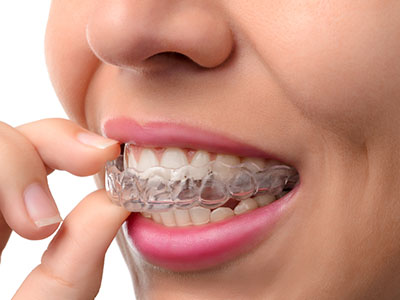
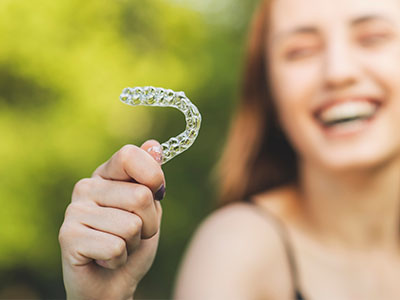
Invisalign® offers a discreet, clinically driven option for straightening teeth using a sequence of clear, removable aligners rather than fixed metal brackets and wires. For many patients, aligners provide a practical blend of aesthetics and function: the trays are barely noticeable, they can be removed for eating and cleaning, and treatment is guided by digital planning that maps each stage of tooth movement. At Tanglewood Family Dentistry we combine modern techniques with individualized care to help patients decide whether clear aligners fit their goals.

Invisalign® for Teens

Invisalign® for Brides

Invisalign® for Travelers
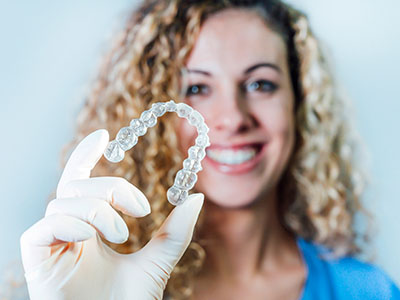
Before & After Photos
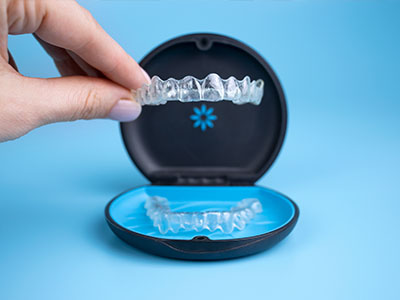
Invisalign® Videos
FAQs
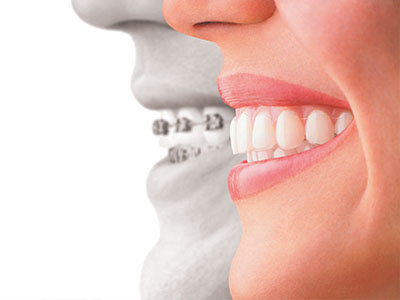
Invisalign® vs Braces
Invisalign® vs Direct-To-Consumer Aligners
Is Invisalign® Right For Me?

Invisalign® Costs
Because aligners are clear and close-fitting, they allow patients to undergo orthodontic care without changing their day-to-day appearance. The ability to remove trays briefly for meals and oral hygiene reduces many practical drawbacks associated with fixed appliances. At the same time, effective tooth movement requires discipline: aligners must be worn consistently to follow the planned treatment sequence and achieve predictable results.
Invisalign® treatment is planned using three-dimensional imaging and simulation software. That digital process creates a series of custom aligners, each designed to move teeth a small, specified amount. By progressing through the planned series, the teeth are guided step-by-step toward the intended alignment. This controlled, staged approach is what makes clear aligner therapy an accessible option for many common orthodontic concerns.
While the trays themselves are designed with patient comfort in mind, treatment is a clinical procedure that benefits from professional oversight. Regular check-ins allow the treating doctor to monitor progress, make adjustments when needed, and recommend refinements to ensure the plan stays on track. If items like attachments or alternative mechanics are indicated, your clinician will explain why they matter and how they contribute to treatment outcomes.
Modern aligner therapy relies on precise imaging and software to visualize each stage of treatment before a single tray is made. A digital scan captures the current tooth positions, and the clinician collaborates with the treatment software to set goals for final alignment. That plan becomes the blueprint for the entire series of aligners, so accuracy at the planning stage is essential.
Because the system is data-driven, manufacturers and clinicians can model a wide range of tooth movements—rotations, translations, extrusions, and intrusions—and sequence them in ways that respect biological limits. When additional clinical aids are necessary, such as composite attachments or interproximal reduction, these are incorporated into the digital plan so each aligner and appointment serves a defined purpose.
One practical advantage of digital planning is predictability. Patients can often see a preview of expected results during their consultation, which helps clarify objectives and timelines. This transparency supports shared decision-making: patients understand the steps involved, and clinicians can adjust the plan if an outcome seems unrealistic or if other dental work should precede orthodontic care.
Clinician experience remains a critical part of successful aligner therapy. Software provides the map, but an experienced provider interprets the map, prescribes movement sequences, and monitors progress to manage variations between the simulation and actual tooth response. Together, technology and clinical judgment work to produce efficient, controlled changes.
Aligners are removable, which makes daily life with them flexible. You can eat without brackets getting in the way and maintain your habitual oral hygiene routine by brushing and flossing after meals before reinserting trays. Most clinicians ask patients to wear aligners for the majority of the day—typically around 20 to 22 hours—to keep treatment moving on schedule.
Comfort levels vary by patient and by stage of treatment. Many people experience mild soreness or pressure when switching to a new aligner, which typically subsides within a few days. Simple over-the-counter pain relievers and warm rinses can help manage temporary discomfort. Aligners are trimmed and finished to minimize irritation to soft tissues, but any persistent issues should be reported so adjustments can be made.
Cleaning aligners is straightforward: rinsing them after removal, gently brushing with a soft toothbrush, and storing them in a ventilated case when not in use are good habits. Avoid exposing trays to high heat, which can warp the plastic. Maintaining consistent wear and good hygiene protects both oral health and the integrity of the aligners throughout treatment.
Planning around life events—travel, special occasions, or athletic seasons—can be done without compromising care. Because trays are removable, short deviations can be managed with guidance from the treating clinician, provided that overall wear time remains adequate to preserve the treatment sequence.
Clear aligners can address many alignment issues, including mild to moderate crowding, spacing, and certain bite irregularities. Age alone is not the deciding factor; rather, the health of the teeth and gums and the specific tooth movements required determine suitability. Many adolescents and adult patients prefer aligners when clinical indications allow.
Some complex orthodontic needs—severe skeletal discrepancies, highly rotated teeth, or movements that require specialized appliance mechanics—may be better managed with alternative or adjunctive treatments. During an initial evaluation, the dentist will assess occlusion, periodontal health, and restorative needs to determine whether aligners alone are appropriate or whether a hybrid approach is indicated.
Interdisciplinary planning is common when orthodontics intersects with restorative or periodontal care. For example, planned crowns, bridges, or implants may affect sequencing, so the treatment plan will account for restorative timelines and functional goals to ensure a coordinated result that supports both alignment and long-term oral health.
Ultimately, candidacy is established through a clinical exam and diagnostic records. If aligners are a suitable option, the clinician will discuss realistic objectives, expected commitment, and the sequence of appointments required to monitor and refine progress.
The typical treatment pathway begins with a focused consultation. During this visit, the clinician reviews goals, performs an oral exam, and captures digital records—scans, photographs, and radiographs as needed—to document starting conditions. This information forms the basis of a tailored treatment proposal and allows patients to see a projected outcome before committing to care.
Following agreement on the plan, a sequence of personalized aligners is fabricated. Each tray advances the teeth incrementally; patients change to the next aligner in the series as instructed. Regular follow-up appointments let the clinician confirm that movement is tracking as planned and address any refinements that may be necessary along the way.
Because aligner treatment depends on consistent wear, patient engagement is a key success factor. The clinical team provides education on wear schedules, cleaning routines, and what to expect during different phases of treatment. When refinements are needed—additional aligners or minor adjustments—these are incorporated into the care plan to help reach the agreed-upon goals.
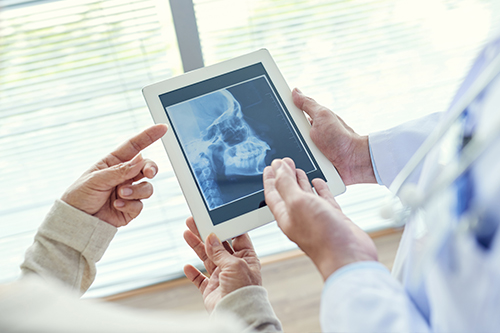
We begin with a clinical review and digital records so treatment objectives are clear from the outset.
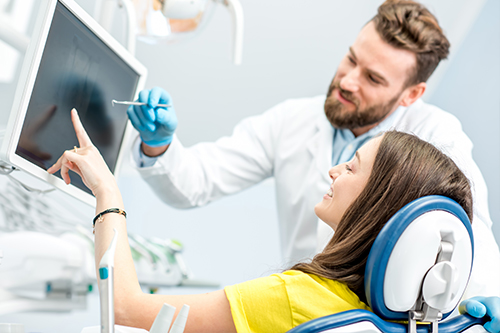
A simulated final arrangement helps patients and clinicians agree on priorities and timing before aligners are produced.
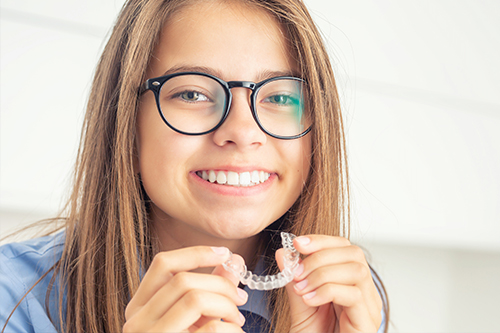
Your trays are manufactured to the specifications of the digital plan and designed to fit comfortably for everyday wear.

Regular check-ins and any necessary refinements help ensure the treatment stays aligned with your goals.
Browse a selection of short videos that demonstrate aligner use, care, and typical appointment milestones.
*Invisalign® is a registered trademark of Align Technology, Inc.
Clear aligner therapy is a contemporary approach to orthodontic correction that pairs digital planning with patient-centered care. If you would like to learn whether this modality is appropriate for your smile, please contact our office for more information and to schedule a consultation.
There are many options for patients who want to avoid metal braces! The most popular alternative orthodontic treatment is Invisalign®, which are clear plastic aligners designed to straighten teeth. After an examination of your teeth, your dentist will determine which option is best suited to your wants and needs.
According to the Invisalign® website, the cost for treatment is approximately the same as the cost for metal braces. A portion of this cost may be covered by your insurance. Please call us to set up a consultation and discuss potential payment plan options.
The first step is to schedule a consultation with your doctor, so they can devise a treatment plan that is best suited to your individual dental needs. Once approved, you will receive your first set of aligners. Your doctor will then regularly monitor the movement of your teeth and new aligners will be ordered according to the progress made in your treatment plan.
Invisalign® aligners are made of clear, flexible plastic. The company received a patent for this material – SmartTrack® – to be used exclusively for Invisalign treatment purposes. These aligners are FDA approved and nearly invisible!
Your doctor will give you an estimate regarding how long your Invisalign® treatment should take, which will depend on your specific needs. The average length of time for treatment is approximately 12-18 months. However, some patients may see results far sooner. Remember to wear your aligners exactly as instructed by your doctor to obtain the best results.
Your doctor will most likely recommend that you wear retainers following your Invisalign® treatment. This is a precaution that will prevent your teeth from shifting back to their original positioning. It is important to follow your doctor's instructions exactly to ensure long-lasting results.
You must wear your aligners for up to 22 hours daily. You may remove them for eating, drinking and regular oral hygiene.
No. Unlike braces, you may eat whatever you like as long as you remove the aligners before eating. Prior to placing the aligners back on, it is important to brush your teeth and the aligners after you eat.
Like any orthodontic treatment, there is a short adjustment period. The more you speak with the aligners on, the quicker you will adjust.
There will be some pressure and minor discomfort for a day or two after each initial insertion. This is a sign that your teeth are moving sequentially into their final position.
It is recommended that you remove your aligners prior to chewing gum as the gum will stick to the aligners.
We discourage smoking with aligners as the cigarette smoke will tend to discolor them.
Brushing them with toothpaste will keep them fresh and clean.
Regular office visits are every five to six weeks. This will ensure that your Invisalign treatment is progressing as planned.
All orthodontic patients are instructed to wear their retainers at night indefinitely. Sleeping with your retainers in at night will ensure a healthy bite and maintain the new position of your teeth.
Yes, if their teeth, including second molars, have grown in completely.
Invisalign is a form of clear aligner therapy that straightens teeth using a series of custom-made, removable trays rather than fixed metal brackets and wires. Each aligner is fabricated to move teeth a small, controlled amount so the full series gradually guides teeth into a planned position. The system relies on digital imaging and staged sequences to achieve predictable tooth movement while remaining discreet during everyday activities.
This approach preserves the ability to remove trays for eating and oral hygiene, which can simplify routine care compared with traditional braces. Because aligners are nearly invisible, many patients choose them for aesthetic reasons without compromising clinical control. Successful treatment combines the digital plan with consistent wear and professional monitoring to reach the intended result.
Invisalign moves teeth through a combination of precision-fitted aligners and a digitally planned sequence of small, incremental adjustments. A digital scan captures current tooth positions and a clinician uses software to design each stage of movement so every tray applies gentle forces in targeted areas. Over time, changing to successive aligners advances teeth according to the prescribed plan.
When needed, clinicians incorporate adjuncts such as composite attachments or interproximal reduction to achieve movements that aligners alone may not fully accomplish. Regular clinical reviews let the provider assess biologic response and modify the plan when refinements are necessary. The interplay of technology and clinical judgment helps translate the simulation into reliable results.
Good candidates for Invisalign typically have mild to moderate alignment concerns such as spacing, crowding, or certain bite irregularities and demonstrate healthy teeth and gums. Age is not the primary factor; many adolescents and adults qualify when clinical conditions permit and when they can adhere to prescribed wear schedules. A thorough clinical exam and diagnostic records determine whether aligners alone are appropriate or whether a hybrid approach is better.
More complex cases involving severe skeletal discrepancies or highly rotated teeth may require alternative or adjunctive treatments, and interdisciplinary planning is common when restorative or periodontal needs intersect with orthodontics. Your clinician will evaluate occlusion, periodontal status, and any planned restorative work to establish a realistic treatment plan and timeline. Candidacy is finalized after the diagnostic appointment and professional review of the digital plan.
The initial consultation begins with a focused discussion of goals followed by a clinical exam and the collection of diagnostic records, including digital scans, photographs, and radiographs as needed. These records allow the clinician to evaluate alignment issues, occlusion, and overall oral health so they can determine whether Invisalign is appropriate. The consultation also includes a review of the proposed digital treatment simulation so patients can see projected outcomes before committing to care.
At Tanglewood Family Dentistry in Clemmons, NC, the team will explain the step-by-step process, expected timeframes, and any preparatory dental care that should precede orthodontic movement. If attachments, interproximal reduction, or coordinated restorative work are indicated, the clinician will describe how these elements integrate into the sequence. Patients leave the visit with a clear understanding of next steps and what to expect from treatment monitoring.
Treatment duration varies based on the complexity of the case and the specific movements required, with many mild to moderate cases completing within several months to a couple of years. Factors that influence timing include the severity of misalignment, patient compliance with daily wear, and whether additional procedures such as attachments or refinements are needed. The digital simulation offers an initial timeframe, but clinicians may adjust the plan as real-world tooth response becomes evident.
Consistent wear—generally around 20 to 22 hours per day—is the primary determinant of whether treatment progresses on schedule, and missed wear can extend the overall timeline. Regular follow-up visits allow the clinical team to confirm tracking and make timely refinements so the treatment stays aligned with the established objectives. Open communication between patient and provider helps manage expectations and maintain momentum toward the final result.
Caring for aligners is straightforward: rinse them after removal, brush them gently with a soft toothbrush, and store them in a ventilated case when not in use to protect them and reduce contamination. Avoid exposing trays to high heat that can warp the plastic and do not use harsh chemicals or abrasive cleaners that could damage the material. Keeping both aligners and teeth clean supports oral health and helps maintain the fit and effectiveness of each tray.
Maintaining excellent oral hygiene during treatment is essential; brush and floss after meals before reinserting aligners to prevent plaque buildup and staining. Regular dental checkups and professional cleanings are important to monitor periodontal health while teeth are moving. If you notice persistent irritation or any signs of oral infection, contact your clinician promptly so adjustments or targeted care can be provided.
Attachments are small tooth-colored composite shapes bonded to teeth to provide the aligner with predictable points of contact for certain movements, and they are commonly used when rotation or precise tipping is required. The decision to use attachments is made during the digital planning phase and explained to the patient before treatment begins. Attachments are a standard, minimally invasive adjunct that enhances the mechanics of clear aligner therapy when indicated.
Refinements are additional aligners or adjustments made after the initial series if some teeth require further movement to reach the planned outcome. It is not uncommon for refinements to be needed, and they are part of delivering a finished result rather than an indication of failure. Regular monitoring allows the clinician to detect when refinements are beneficial and to incorporate them efficiently into the treatment sequence.
Digital planning provides a visual roadmap of each stage of tooth movement, allowing clinicians to simulate outcomes, sequence movements, and identify potential challenges before fabrication. This precision helps reduce surprises and supports evidence-based decisions about whether attachments, interproximal reduction, or other adjuncts are necessary. Patients benefit from seeing a projected result, which clarifies objectives and fosters shared decision-making about their care.
Because the plan is data-driven, clinicians can more accurately estimate appointment timing, monitor progress against the simulation, and make informed adjustments when the biologic response differs from the model. Digital records also facilitate communication between dental specialists when interdisciplinary coordination is required. The combination of visualization and documentation improves both predictability and transparency throughout treatment.
Yes. Invisalign is often integrated with restorative, periodontal, or prosthetic treatments to achieve both functional and aesthetic goals, and interdisciplinary planning ensures that orthodontic movement complements other procedures. For example, planned crowns, bridges, or implant placement may influence the sequencing of aligner therapy so final tooth positions support restorative outcomes. Clinicians coordinate timelines and diagnostics to minimize conflicts between orthodontic and restorative phases.
In cases where periodontal health or active dental disease is present, those conditions are managed before or alongside aligner therapy to protect long-term results. Clear communication among the treating dentist, specialists, and the patient is essential to align priorities and maintain oral health during movement. Proper planning helps ensure that combined treatments produce stable, functional, and esthetically pleasing outcomes.
If an aligner is lost or damaged, contact your treating clinician promptly to determine the best course of action, which may include using the previous or next tray temporarily or ordering a replacement. Avoid attempting to repair a warped or broken tray, as this can alter force delivery and compromise the treatment sequence. Your dental team will provide instructions to minimize disruption and maintain progress while a replacement is arranged.
Persistent discomfort, sore spots, or issues with fit should be reported so the clinician can evaluate and make adjustments, such as trimming an edge or checking attachment placement. Mild soreness when changing trays is normal and usually resolves within a few days, but ongoing pain or tissue irritation warrants professional assessment. Timely reporting and follow-up help preserve both comfort and the integrity of the treatment plan.
Quick Links
