


Being told you need a root canal can feel unsettling, but modern endodontic care is focused on relief, precision, and protecting your natural tooth whenever possible. A root canal is a controlled, carefully performed treatment that removes infected or damaged tissue from inside the tooth, eliminates the source of pain, and allows the remaining tooth structure to be preserved and restored.
At the office of Tanglewood Family Dentistry, we emphasize gentle techniques and clear communication so patients understand what to expect. Our approach combines up-to-date instruments with thoughtful patient care to make the experience as comfortable and predictable as possible.
Losing a tooth has consequences that go beyond appearance. When a tooth is extracted, surrounding teeth can drift, bite forces change, and chewing efficiency declines. Root canal treatment is designed to keep your natural tooth in place when the internal tissues are compromised but the outer structure and supporting bone remain healthy.
Preserved natural teeth provide the best fit and function for everyday activities like eating and speaking. Even when a tooth’s nerve and blood supply are no longer viable, the remaining root and crown can often be maintained and reinforced with an appropriate restoration, returning full function while avoiding the need for replacement options.
Because a properly performed root canal eliminates infection and seals the tooth, long-term outcomes are highly favorable. For many people, the procedure allows a problematic tooth to remain in service for decades when combined with a well-fitting crown and attentive oral hygiene.

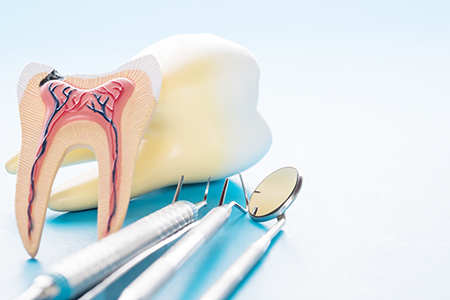
Teeth are more than enamel and dentin; each contains a central chamber of soft tissue called the dental pulp. This tissue nourishes the developing tooth and houses sensory nerves. Once a tooth matures, it can survive without a living pulp, which is why root canal therapy can be a successful option when the pulp is irreversibly inflamed or infected.
Pulp damage can result from deep decay that reaches the inner chamber, cracks or fractures that allow bacteria to enter, or trauma that disrupts blood flow. When bacteria invade, the body’s inflammatory response can cause persistent pain, swelling, and the spread of infection to surrounding bone if left untreated.
In some instances, a tooth with pulp damage shows few outward signs and is detected during a routine comprehensive exam and radiographic evaluation. Other times, symptoms become noticeable and prompt an immediate dental visit. Either way, timely assessment helps prevent more extensive complications.
Not every toothache requires root canal therapy, but several symptoms commonly indicate that the pulp is affected. Persistent, throbbing pain—especially pain that wakes you at night or does not respond to typical remedies—is a frequent reason patients seek care. Pain that worsens when biting or that lingers after exposure to hot or cold stimuli are additional red flags.
When a toothache persists despite over-the-counter measures, it often means the nerve is irritated or infected. This type of pain can range from a dull ache to sharp, intense episodes and typically signals the need for a clinical evaluation.
Lingering sensitivity to hot or cold that does not subside after the stimulus is removed suggests inflammation of the inner tissues. This sensation differs from brief sensitivity and warrants further diagnostic testing.
Pain when biting or even when the tooth is lightly touched can indicate involvement of the pulp or an evolving infection that is affecting surrounding structures.
A tooth that has darkened after trauma or over time can be a sign that the internal tissues have broken down. While discoloration alone is not always an emergency, it often accompanies deeper problems that a dentist will want to evaluate.
Breaks in a tooth’s structure create pathways for bacteria to reach the pulp. Even a small crack can lead to significant internal damage if left untreated.
Localized swelling, gum tenderness, or the presence of a draining area near a tooth often indicate an abscess or infection that needs professional care.
When supporting bone is affected by infection, a tooth may feel looser or sit differently in the bite. Root canal treatment can halt the process and allow healing in many cases.

Root canal therapy is performed with the goal of removing diseased tissue, disinfecting the internal spaces, and sealing the canals to prevent recontamination. The tooth is isolated, accessed, and the pulp is gently removed. Careful cleaning and shaping of the canals precede placement of a biocompatible filling material.
Most treatments are completed under local anesthesia, which makes the procedure comfortable and pain-free for the duration. For patients who experience anxiety, additional comfort options such as sedation dentistry can often be arranged to ease the visit.
The time required varies by tooth and circumstance. A straightforward case might be finished in a single appointment, while a tooth with complex anatomy or active infection may need two visits to ensure thorough cleaning and optimal healing before final restoration.
After a root canal, many patients notice immediate relief from the intense pain they experienced beforehand, though some mild soreness or tenderness in the treated area is common for a few days. Over-the-counter analgesics and a brief period of rest usually manage this discomfort effectively.
You may feel numb for an hour or two after the appointment; during this time, avoid chewing or touching the area to prevent injury. If your dentist prescribes antibiotics for an active infection, it’s important to take the full course as directed to support healing.
Although the internal work of the root canal is complete, the treated tooth will typically need a permanent restoration—often a crown—to restore full strength and protect it from fracture. Until that restoration is placed, be mindful of chewing habits and avoid hard or sticky foods on the treated side.
A well-restored tooth that receives attentive oral hygiene can function for many years. Routine dental exams and cleanings help monitor the treated tooth and identify any changes early.
If pain persists beyond a few days, swelling develops, or you notice other concerning symptoms, contact the practice for a follow-up evaluation so any complications can be addressed promptly.
Root canal therapy addresses the immediate problem inside a tooth, but lasting oral health depends on consistent brushing, flossing, and regular professional care to prevent new problems from developing.
At the office of Tanglewood Family Dentistry, our focus is on delivering safe, predictable root canal treatment and guiding each patient through recovery and restoration. If you’re experiencing symptoms described here or have concerns about a particular tooth, please contact us for more information and to schedule an evaluation.
A root canal procedure is the best way to save a tooth that has been damaged by decay or injury and preserve your natural smile. The alternative is an extraction and treatment to replace the tooth. While at times a tooth is non-restorable and an extraction is the only option, when possible, it’s best to try and save your natural tooth. With proper care, a tooth with root canal therapy can serve your smile well for many years to come.
Despite lingering myths from before the age of modern dental anesthesia and technology, having a root canal procedure today is as routine and comfortable as visiting the dentist for a filling. While the procedure is performed under local anesthesia with your tooth completely numbed, we can also discuss options in dental sedation.
Whether the symptoms of a dental infection subside after a course of antibiotics, a draining abscess provides you with some temporary pain relief, or a tooth with radiographic evidence of pathology has not yet developed symptoms, it’s essential, before an infection worsens or occurs, to have a root canal procedure performed. In this way, the tooth can be disinfected, filled, and sealed to protect your health and avoid further problems.
If you have sustained a dental injury, have a toothache, jaw pain, swelling, or are experiencing any other unusual and uncomfortable oral symptoms, contact our office immediately for care. Dental problems that have not been evaluated and treated can significantly worsen, producing more severe damage and consequences for the involved teeth, your oral health, and even your overall wellbeing. Once you get in touch with our office, our friendly and compassionate office team will get you in for care at your earliest convenience.
While some root canal procedures can be completed in one visit, others may involve 2 or 3 appointments. How long it takes depends on various factors, including active infection, the number of canals in the tooth, and the tooth’s location or anatomy.
With a success rate that exceeds 95%, root canal therapy remains the most effective procedure to save a tooth in which the inner vital tissues have been damaged. However, as with all healthcare procedures, there are a small percentage of cases where the teeth become symptomatic a second time. The good news is that many of these teeth can still be saved with root canal retreatment or a minor surgical procedure known as an apicoectomy.
The best ways to maintain a tooth with root canal therapy are to get the proper restoration required to rebuild and protect the tooth, maintain proper oral hygiene, and schedule appointments for routine dental checkups and care.
Saving a tooth with root canal therapy is a wise investment that, in the long run, is typically less costly and invasive than having the tooth extracted and replaced with a fixed bridge or implant. As far as the exact cost of care, it can vary depending on which tooth is being treated. Many dental insurance plans provide coverage for root canal therapy. At the office of Tanglewood Family Dentistry, we do our best to optimize your dental benefits and minimize your out-of-pocket expenses. Our staff will answer all your questions about the cost of care and discuss all your payment options.
At the office of Tanglewood Family Dentistry, we use the latest technology and most effective methods of care to provide precise and gentle care. Our reputation for excellence is based upon a consistent record of achieving successful treatment outcomes while providing prompt, stress-free, and convenient treatment for every type of dental need.
A root canal is a dental procedure that removes inflamed or infected pulp from inside a tooth and seals the canal system to protect the remaining structure. The goal is to preserve the natural tooth when the outer tooth and supporting bone are otherwise healthy. At Tanglewood Family Dentistry in Clemmons, NC, we emphasize tooth preservation because keeping your natural tooth helps maintain chewing function, alignment, and long-term oral health.
Root canal therapy is recommended when deep decay, cracks, or trauma allow bacteria to reach the pulp or when the pulp's blood supply is compromised. If left untreated, pulp infection can cause persistent pain, swelling, bone loss, and spread of infection to adjacent tissues. Timely treatment removes the source of infection and prepares the tooth for a protective restoration.
Diagnosis combines a clinical exam, review of symptoms, and diagnostic imaging. The dentist will look for visible decay, cracks, swelling, or draining areas and use radiographs to assess bone changes and the extent of decay. Sensitivity tests to hot, cold, and biting pressure help determine whether the pulp is inflamed or necrotic.
Because some teeth with irreversibly damaged pulp show few outward signs, routine comprehensive exams and X-rays can detect issues early. Your dentist will explain the findings and the rationale for recommending root canal therapy versus monitoring or other treatments. When indicated, referral to an endodontist for a specialist opinion may be suggested.
The procedure begins with local anesthesia and isolation of the tooth to maintain a clean field. The dentist accesses the pulp chamber, removes diseased tissue, shapes and disinfects the canal system, and fills the cleaned spaces with a biocompatible material to seal them. Careful sealing and restoration reduce the risk of reinfection and restore the tooth for function.
Treatment time depends on the tooth and complexity; many cases finish in a single visit while complex anatomy or active infection may require two appointments and interim medication. Modern instruments, magnification, and irrigation techniques improve precision and outcomes. Sedation options are available for patients who need additional comfort during the procedure.
With effective local anesthesia, most patients feel little to no pain during the procedure, and the discomfort is typically far less than the pain caused by an infected tooth. Dentists take steps to ensure comfort and will adjust anesthesia or offer sedation when needed. Clear communication during treatment helps the clinician address any sensations promptly.
After treatment, mild soreness or tenderness for a few days is common as surrounding tissues heal, and this is usually managed with over-the-counter pain relievers and rest. If pain intensifies, swelling develops, or symptoms persist beyond a few days, contact your dental team for a follow-up evaluation. Prompt attention can identify complications such as residual infection or the need for additional care.
Plan to arrive well-rested and have a light meal unless advised otherwise, since local anesthesia does not typically require fasting. Bring a list of current medications and a brief medical history so the dental team can confirm safe anesthesia and antibiotic decisions. If you have dental anxiety, mention it when scheduling so comfort measures or sedation options can be arranged.
If you will receive sedation that affects alertness, arrange for transportation and plan some flexibility for the rest of the day to allow for recovery. Follow any preoperative instructions provided by the office, such as taking prescribed antibiotics when indicated. Clear communication with the team before your appointment helps ensure a smooth and efficient visit.
When the pulp is compromised, common options include root canal therapy with restoration, extraction with replacement by an implant or bridge, or limited monitoring in select cases. Root canal treatment aims to preserve the natural tooth and is often the conservative choice when the tooth structure and supporting bone are adequate. Extraction removes the infected tooth but requires a plan for replacement to maintain chewing function and prevent shifting of adjacent teeth.
Your dentist will review the benefits, risks, expected outcomes, and long-term maintenance for each option so you can make an informed decision. In cases of complex anatomy or previous failed treatment, referral to an endodontist for specialized techniques or retreatment may be recommended. Shared decision-making helps determine the approach that best aligns with your oral-health goals.
Most teeth that receive root canal therapy will need a permanent restoration to restore strength and protect against fracture. Molars and premolars commonly receive crowns because they endure significant chewing forces, while front teeth may be restored with a direct filling or veneer depending on how much natural tooth remains. The definitive restoration is an essential part of the treatment plan to maximize long-term success.
Your dentist at Tanglewood Family Dentistry will assess the amount of remaining tooth structure and recommend the restoration that best protects the treated tooth and fits your bite and esthetic needs. Timely placement of the permanent crown or filling reduces the risk of fracture and helps prevent reinfection. Ongoing routine care and good oral hygiene support the longevity of both the tooth and its restoration.
Mild post-treatment discomfort is normal, but persistent or worsening pain, increasing swelling, drainage, or fever should prompt prompt follow-up with your dental provider. These symptoms can indicate residual infection, a missed canal, or issues with the temporary or permanent restoration. Early clinical and radiographic evaluation helps identify the underlying cause.
Management may include retreatment of the canals, antibiotics if an active infection is present, or referral to an endodontist for surgical options when necessary. Many cases respond well to targeted retreatment and additional care that preserves the tooth. Reporting new or persistent symptoms quickly improves the chances of a favorable outcome.
When performed using contemporary techniques and followed by appropriate restoration, root canal therapy has high success rates and often allows treated teeth to function for many years. Key factors that influence prognosis include the extent of the original infection, the complexity of the canal anatomy, the thoroughness of canal cleaning and sealing, and timely placement of a protective restoration. Systemic health, smoking, and home-care habits can also affect healing.
Regular follow-up exams and radiographs allow the dental team to monitor healing and identify late changes for early intervention if needed. Endodontic specialists use advanced imaging and methods for challenging cases to improve the likelihood of success. Open communication about your medical history and adherence to post-treatment recommendations also support the best possible results.
Preventing deep decay and injury that lead to pulp damage starts with consistent home care: brush twice daily with fluoride toothpaste, floss daily, and keep regular professional cleanings and examinations. Limiting frequent sugary and acidic exposures and addressing small chips or restorations promptly reduce the risk that problems will progress to the pulp. Preventive measures like fluoride treatments and sealants help intercept decay before it reaches inner tooth structures.
If you participate in contact sports or grind your teeth, consider a sports mouthguard or a nighttime occlusal guard to reduce trauma and structural stress that can cause fractures or pulp exposure. Paying attention to symptoms such as lingering sensitivity or new discoloration and seeking prompt evaluation helps catch issues early. Working with your dental team during routine visits supports both prevention and timely management of problems that could otherwise require root canal therapy.
Quick Links
